A focused checklist for dental practices and distributors

Figure 1. Start with the procedures, processing workflow, and instrument patterns your team actually uses.
Dental instruments are not a simple catalog purchase. A set that looks complete on paper can still create problems if it does not match the clinic’s procedures, the users’ handling preferences, or the available reprocessing workflow. The practical aim is to standardize the right patterns, retain the right documentation, and buy from a supplier that can support repeat orders—not simply to find the lowest unit price.
1. Begin with the work your clinic performs
A quick audit prevents overbuying. List the procedures performed most often, the number of active rooms and providers, the instruments needed in each room, and the backup sets required while other instruments are being processed. Then confirm the preferred patterns with the clinicians and hygienists who will use them. This makes sampling more useful and avoids ordering unfamiliar designs in bulk.
Clinical need | Typical instruments | Buying focus |
Everyday diagnosis | Mouth mirrors, explorers, periodontal probes. | Clear markings, handle control, and replacement availability. |
Restorative care | Excavators, condensers, carvers, burnishers. | Working-end pattern, balance, and clinician familiarity. |
Periodontal and surgical care | Scalers, curettes, forceps, elevators. | Access, grip, surface condition, and documented processing instructions. |
Processing and organization | Cassettes, trays, organizers. | Fit with cleaning, packaging, sterilization, storage, and chairside flow. |
2. Check the details that affect daily use
The most useful product questions are specific. Ask for the applicable product specification rather than accepting a generic “stainless steel” claim. Ask users to assess handle diameter, balance, grip texture, and working-end shape on samples. For reusable products, obtain the current instructions for use (IFU) and confirm that the clinic can follow the cleaning, inspection, packaging, and heat-sterilization steps with its existing equipment. The CDC recommends having manufacturer reprocessing instructions readily available; if a reusable device has no reprocessing instructions, it may not be suitable for multi-patient use.

Figure 2. A sample review should assess handling, pattern fit, surface finish, and compatibility with the documented workflow.
A useful rule: Do not publish or repeat a claim about material grade, corrosion resistance, autoclave cycles, certificates, or traceability unless the exact product documentation supports it.
3. Decide between reusable and single-use instruments case by case
Reusable and single-use products solve different problems. A reusable item can be a strong choice when the clinic has clear manufacturer instructions and the capacity to complete every processing step consistently. A single-use device may be the better fit where its labeled use, the procedure, and the local workflow justify it. The CDC notes that most single-use devices are labeled for one patient only and do not have reprocessing instructions.The decision should therefore include processing capability, inventory needs, and local requirements—not price alone.
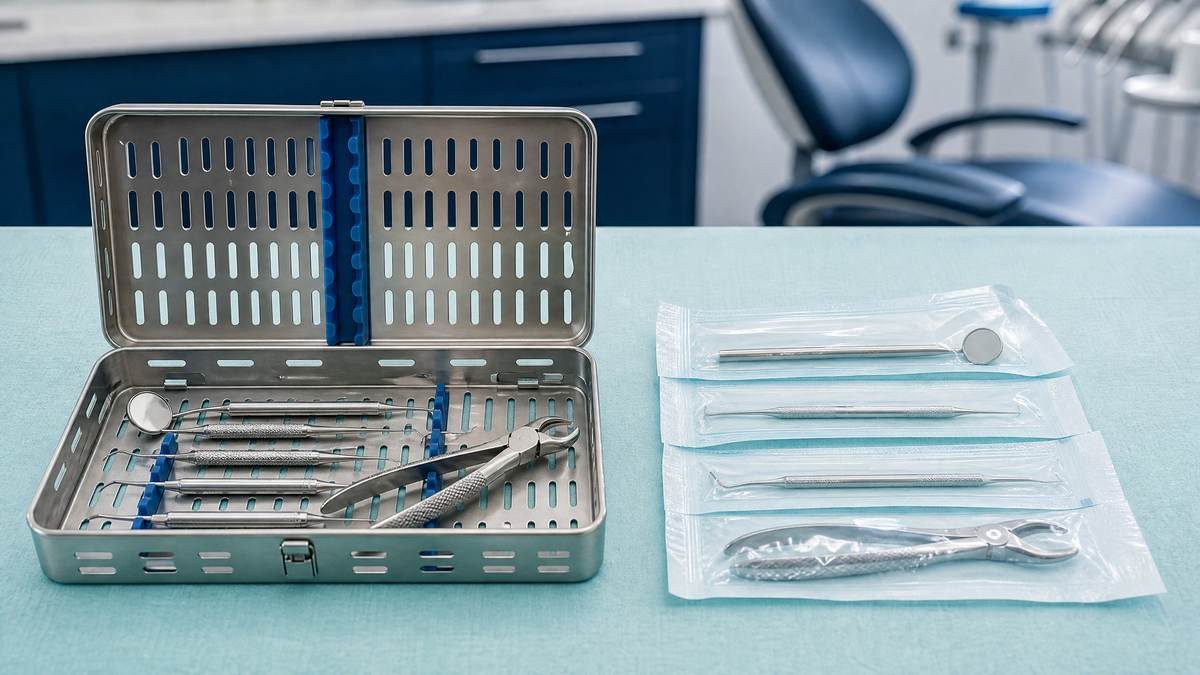
Figure 3. Reusable and single-use options should be assessed against the actual procedure, product label, and practice workflow.
Question | Reusable option fits when… | Single-use option fits when… |
Can the full processing workflow be completed? | The IFU is available and the clinic can clean, inspect, package, sterilize, and record the process. | The labeled single-use product better suits the approved workflow. |
How often will the item be used? | Demand supports maintaining the item and trained processing routines. | A low-frequency use case does not justify the processing and stock burden. |
Is the product difficult to process? | Detailed validated instructions exist and can be followed exactly. | No compatible reusable workflow is available for the actual use case. |
4. Qualify the supplier, not only the sample
A good sample is the starting point, not the final proof. Before placing a first order, ask every shortlisted supplier for the same written package: product codes, item specifications, applicable IFU, documentation relevant to the destination market, sample policy, MOQ, lead time, claim or warranty terms, and the method used to identify the shipment or batch. Compare the answers against the documents received. If an item cannot be verified, treat it as an open point rather than an implied promise.

Figure 4. Check the delivered products against the approved sample, SKU list, and written order terms before they enter general stock.
A simple first-order checklist
· Approve a concise SKU list after testing representative samples with the intended users.
· Retain the current IFU and product documents for each reusable item before ordering.
· Confirm MOQ, sample cost, custom options, production lead time, shipping terms, and claim policy in writing.
· Inspect quantities, SKUs, packaging condition, and promised identification details when the order arrives.
Quick answers to common buying questions
How often should instruments be replaced?
Replace an instrument when inspection or clinical use shows it no longer performs as intended, when the working end or surface is damaged, or when the product instructions require retirement. A short inspection and performance log is more useful than a calendar-only rule.
Which certification should I request?
Requirements depend on the exact item, its intended use, the legal manufacturer, and the destination market. Request documents that identify the specific product and manufacturer, then verify them against the applicable local requirements. Avoid relying on a logo or a certificate with no clear product scope.
Should I order a full set without samples?
For an unfamiliar supplier or pattern, test a focused representative set first. Document the approved SKUs and order against those items. This helps prevent mismatches in handle preference, working-end pattern, balance, or processing fit.
What should I do if a shipment does not match the order?
Record the discrepancy immediately, keep the packaging and delivery evidence, and submit the claim under the supplier’s written process before the items are issued into general stock.
Next step
To request a comparable quotation, share your instrument list, approximate quantities, destination market, preferred patterns, and required delivery date. Ask for a matching product list, sample availability, documentation package, MOQ, and lead-time confirmation. HOTAR’s public website provides catalog and quotation contact routes for dental instruments, consumables, and equipment.
Request a product catalog or quotation: hotardental.com | info@hotardental.com |
References
[1] Centers for Disease Control and Prevention. Sterilization and Disinfection: Dental Infection Prevention and Control. Reviewed 15 May 2024. Accessed 25 August 2026.
[2] U.S. Food and Drug Administration. Reprocessing of Reusable Medical Devices. Content current 10 January 2023. Accessed 25 August 2026.
[3] HOTAR Dental. Official website and catalog entry points. Accessed 25 August 2026.
Editorial note: Images are illustrative. Product selection, reprocessing, regulatory, and purchasing decisions must follow the current manufacturer instructions and local requirements.